Alamo Archaeology Church Preservation - February 9

February 9, 2026

Archaeologists continued excavations at the Alamo Church in EUs 57, 62, 75, 119, and 122.

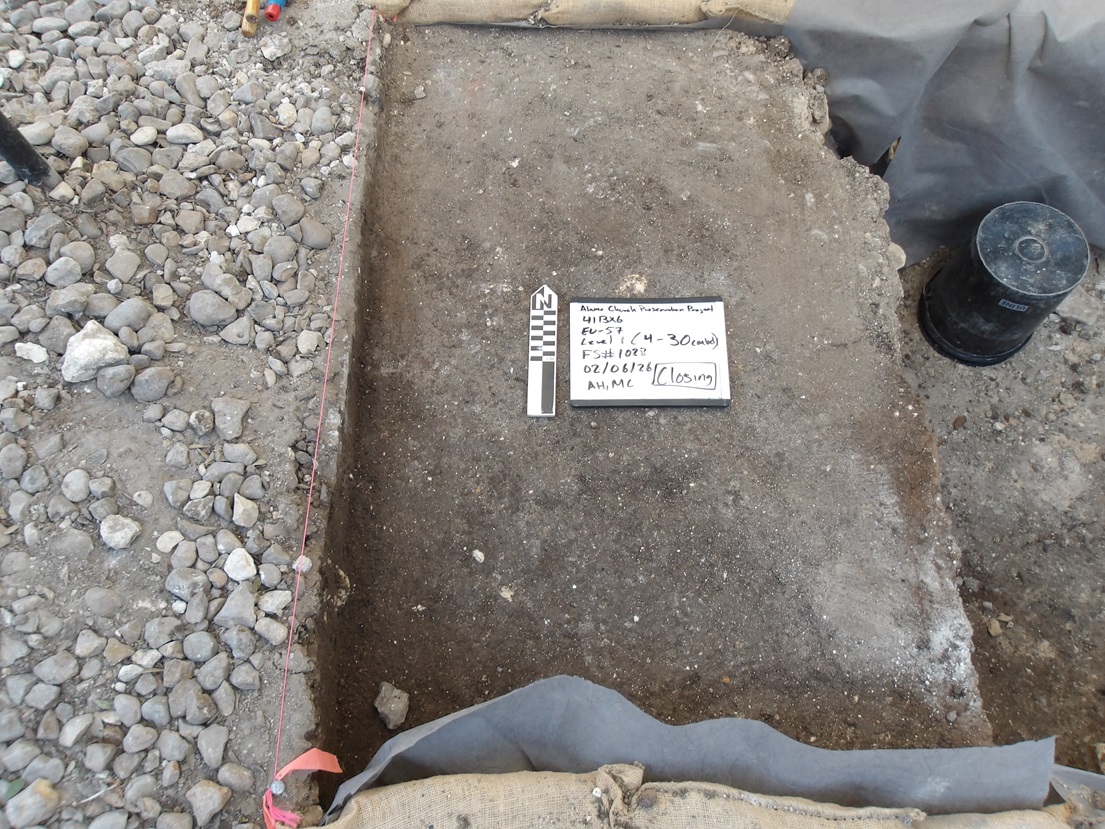
A new excavation unit was opened last week. In EU-57, archaeologists excavated to an approximate depth of 10 cm below surface. Archaeologists were still in the modern strata by the end of the week.

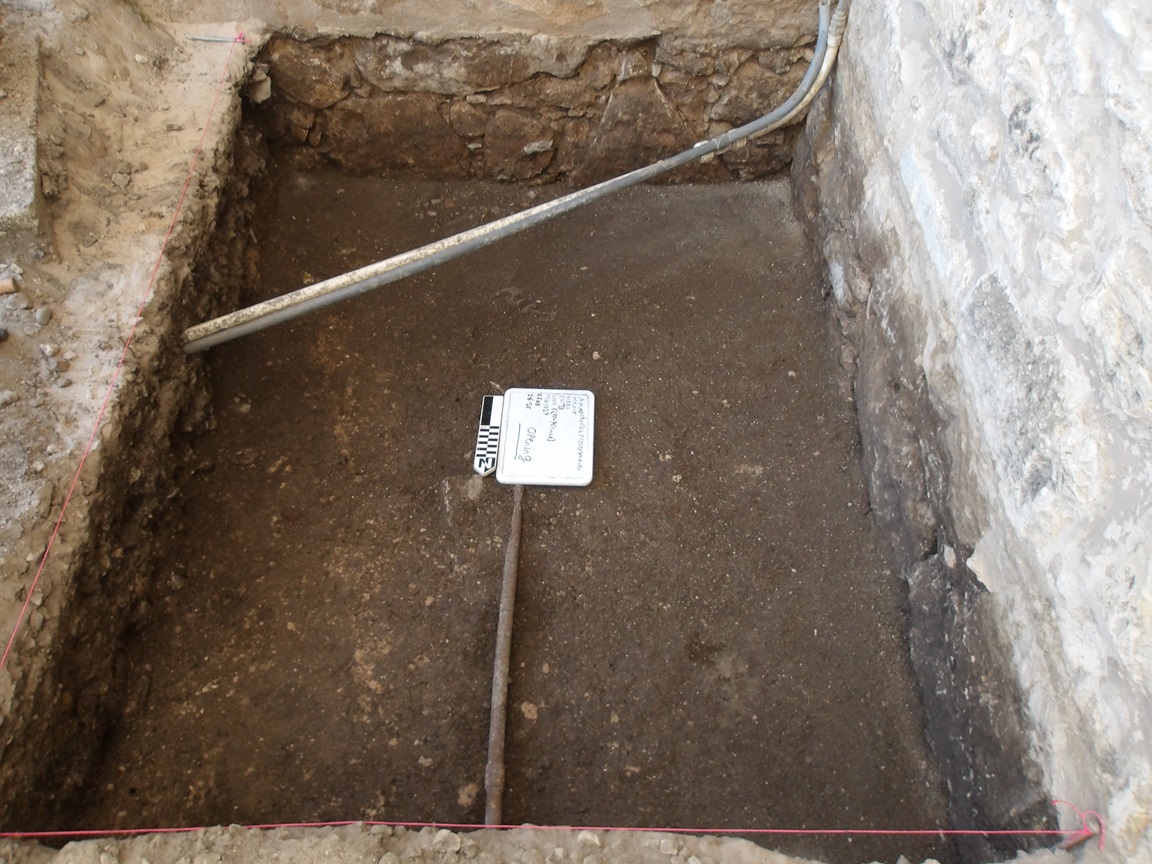
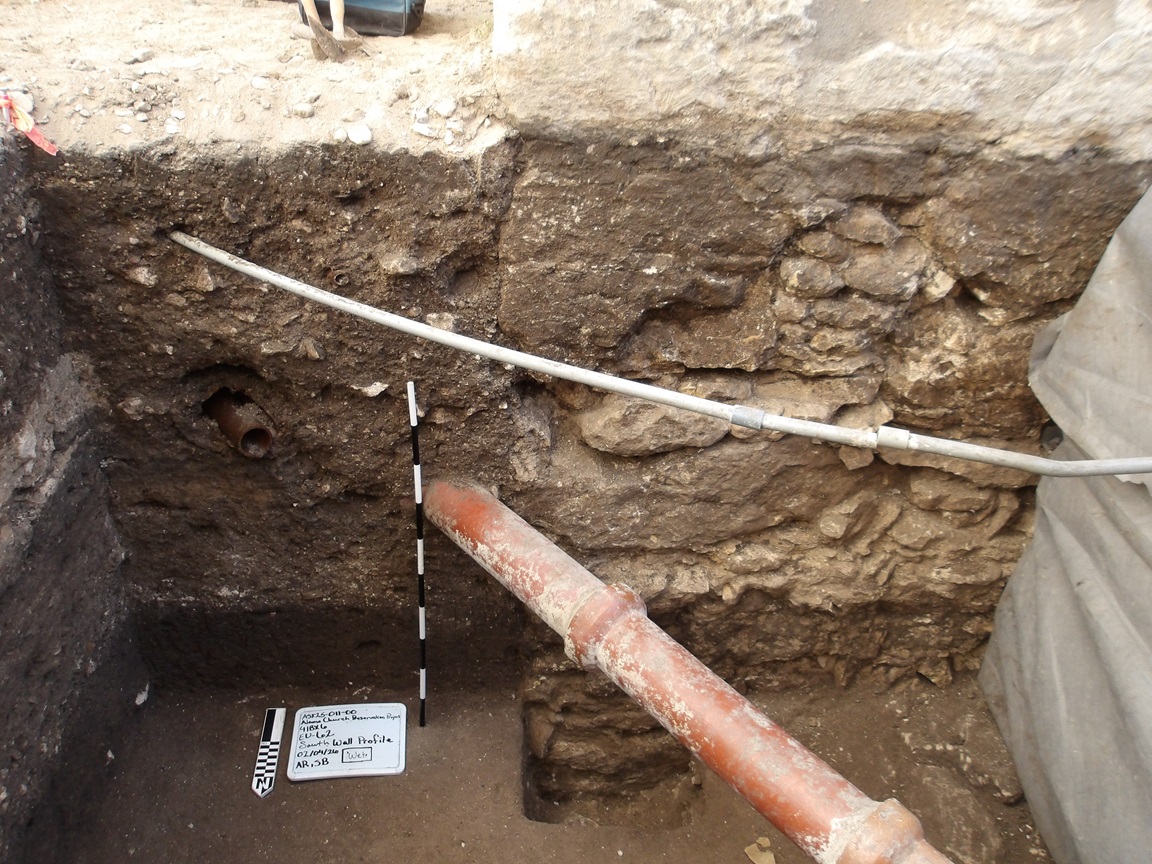
Archaeologists at EU-62 reached a terminal depth of approximately 150 cm below surface. The bottom of the Church wall was exposed and documented by the ATI Conservation Department. The last soil deposit in this unit held very few artifacts and the natural hardpan covered much of the base of the unit.
Rock level above a tiered strata level inside an excavation unit
EU-57 at approximately 10 cm below surface, photo facing north.
Limestone wall of an excavation unit with a pipe across the bottom
Final depth at EU-62, photo facing south.

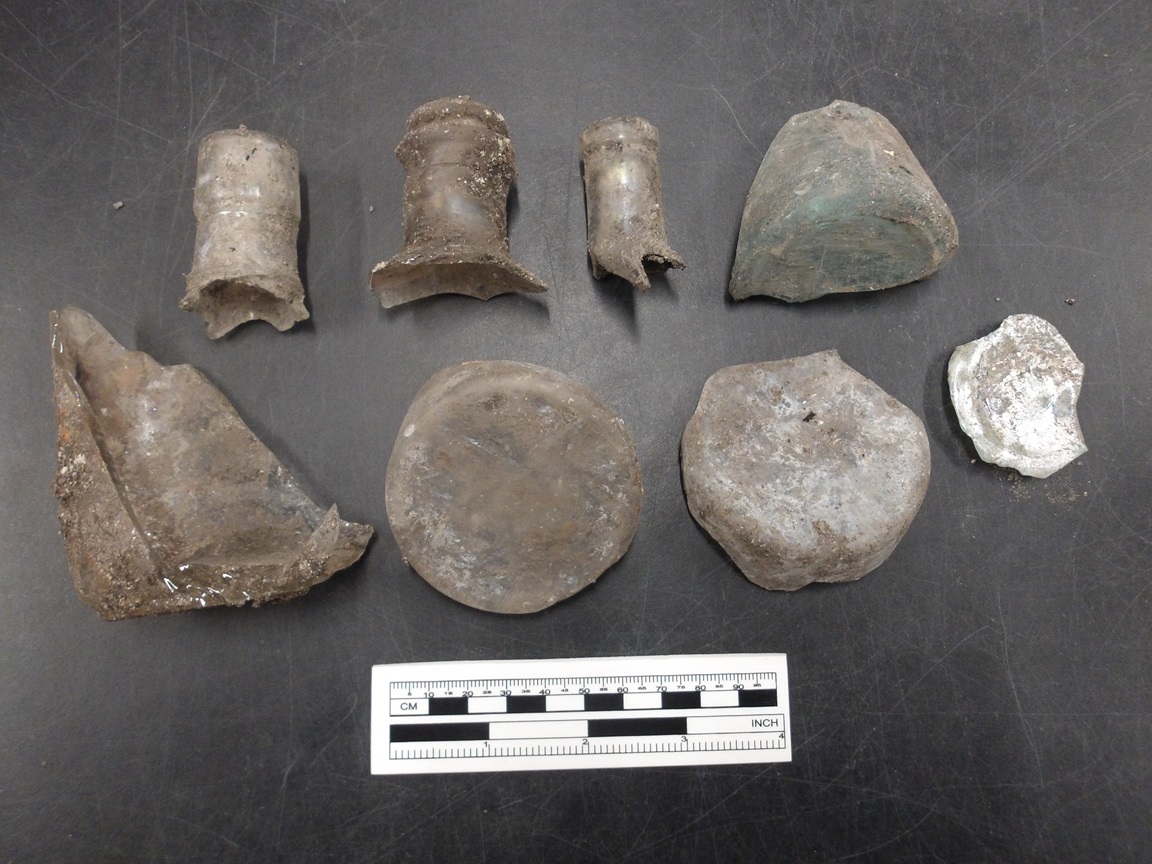
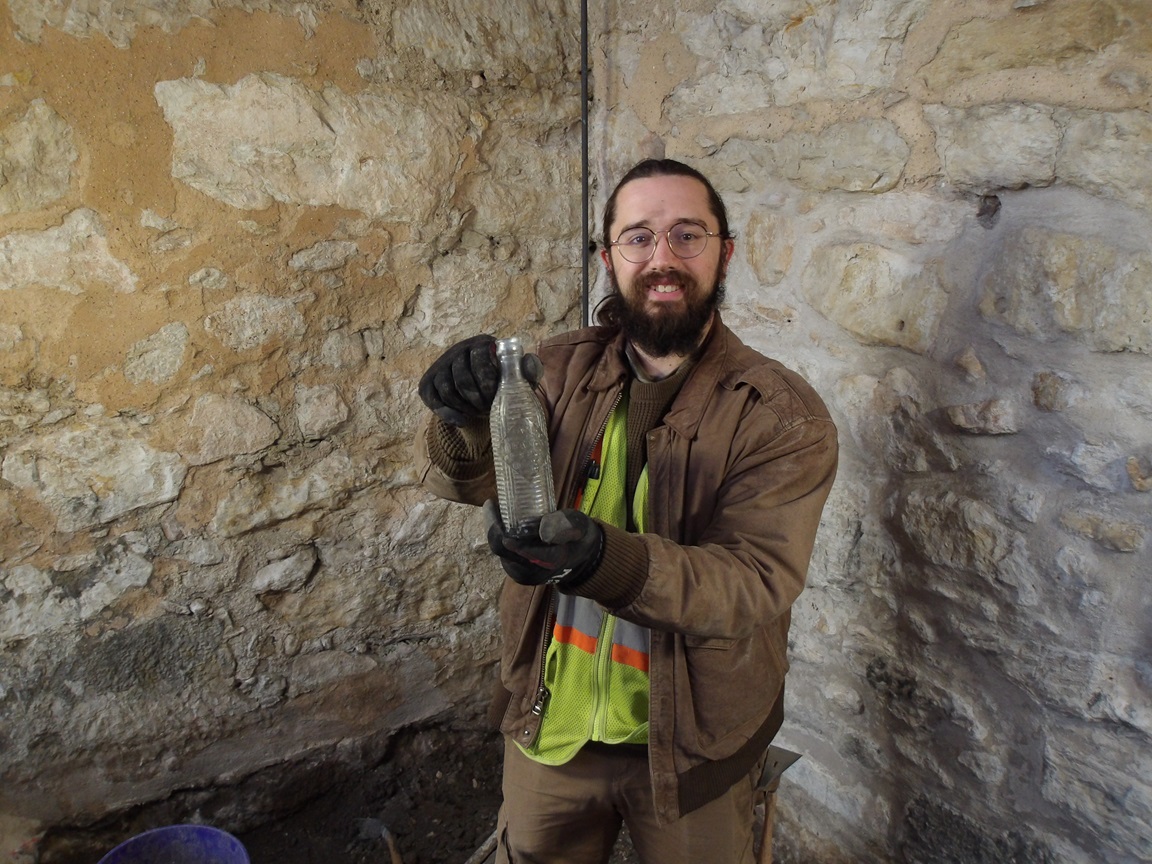
Archaeologists continued to excavate in EU-75 and reached an approximate depth of 50 cm below surface. The upper levels of the units had quite a bit of hardware-related artifacts, such as nails and wires, and glass. The soils are quite damp, likely related to the two canales immediately above this unit. As the archaeologists continued to excavate, the artifact density remained high. A highlight among the recovered artifacts is a 1920 Orange Crush bottle. This bottle was patented in 1920 and the ribbed bottle remained a part of the Orange Crush design until the 1950s.

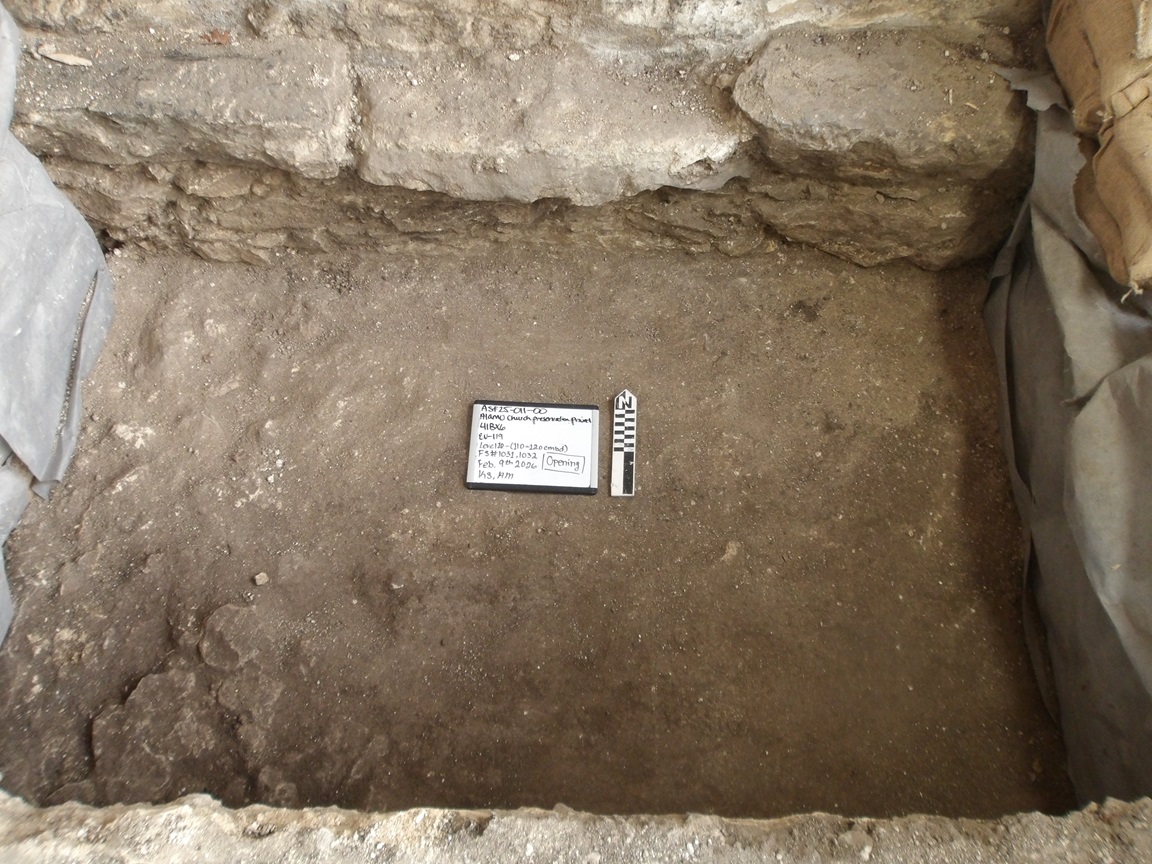
Excavations within EU-119 reached an approximate depth of 90 cm below surface. The stratigraphy in EU-119 mirrors what was previously encountered in the adjacent units. The top of the south transept footing was exposed at approximately 33 cm below surface. Thus far, archaeologists have recovered few artifacts from this unit.

Dirt interior of excavation unit with a curved pipe across the top
EU-75 at approximately 50 cm below surface, photo facing south.
Glass bottle fragments on a gray background next to a ruler for size
Bottle fragments from EU-75.
Archaeologist holding a glass bottle next to limestone walls
Archaeologist holding the 1920 Orange Crush bottle.
Bottom of excavation unit with limestone edges and a whiteboard and ruler at the center bottom
EU-119 at approximately 90 cm below surface, photo facing north.

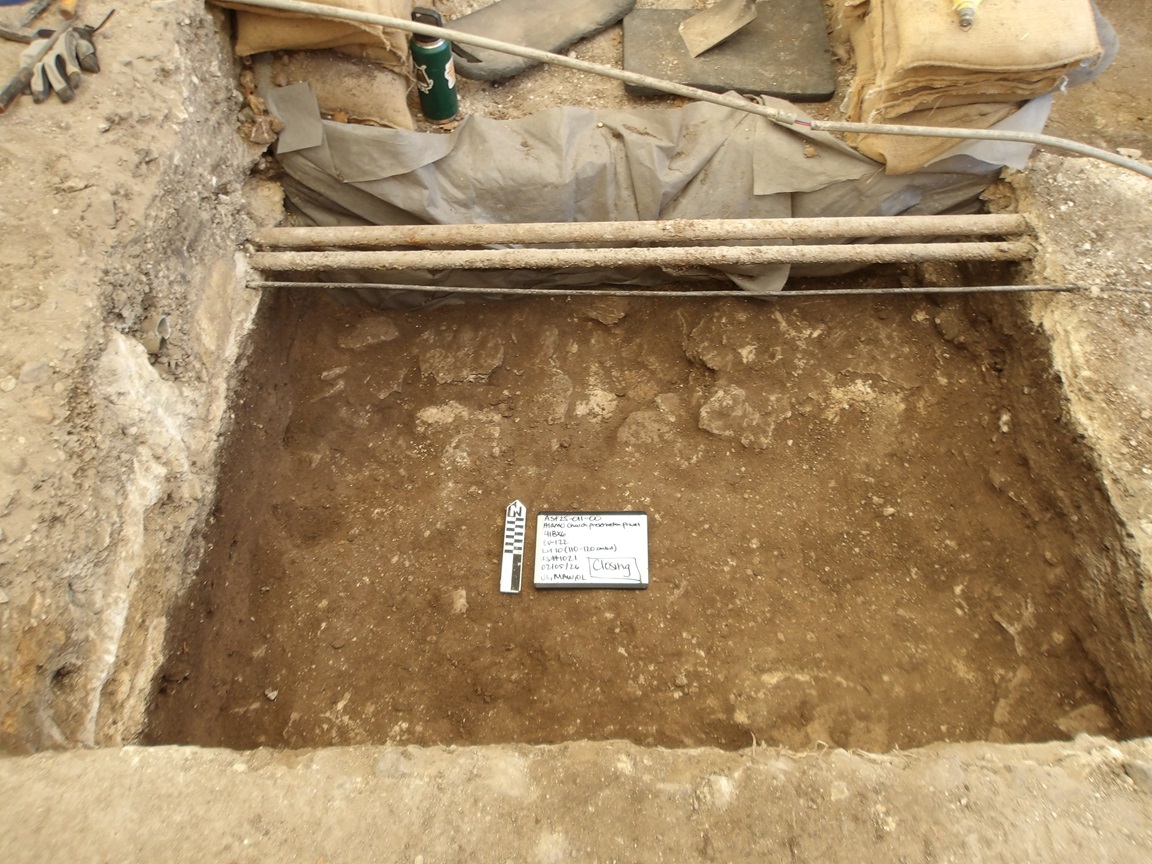
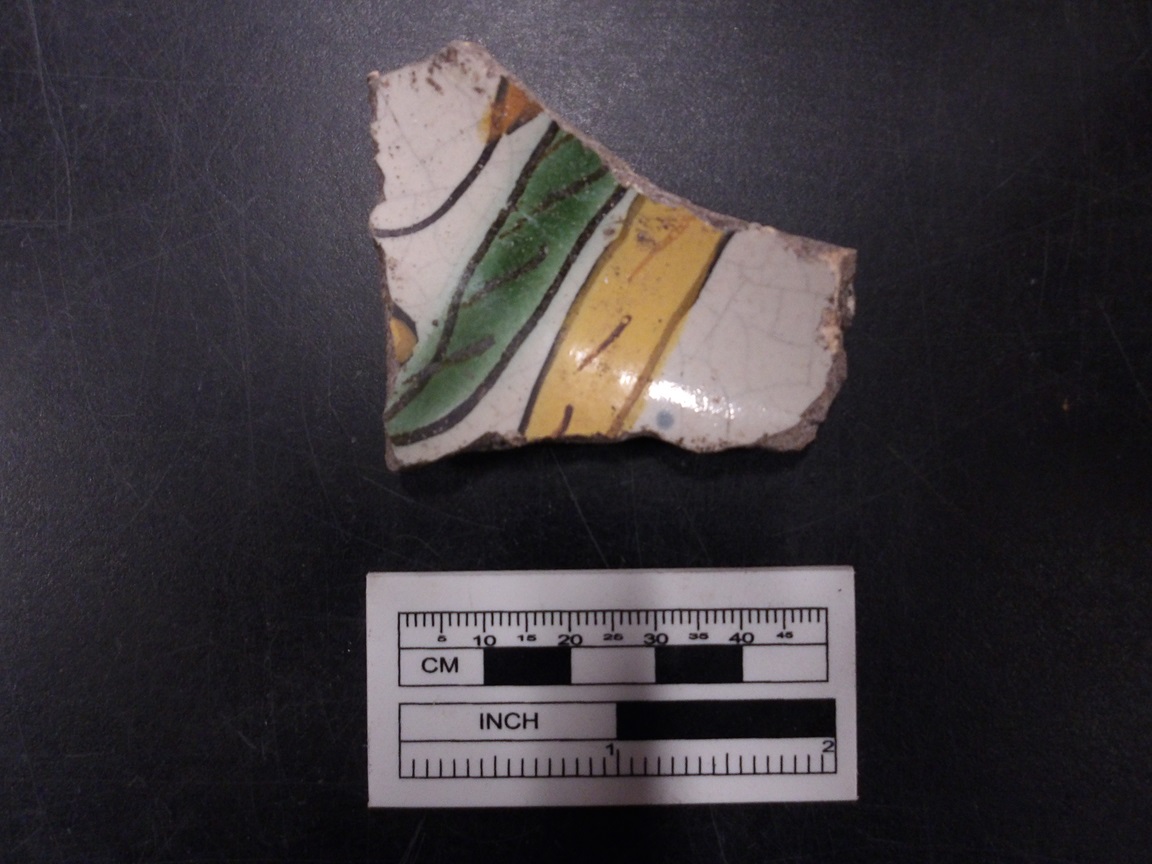
Archaeologists completed excavations in EU-122. The terminal depth was approximately 100 cm below surface. This unit had evidence of multiple construction impacts, such as utility conduits and a concrete slab. There were few diagnostic artifacts, but archaeologists did identify an Aranama tradition ceramic sherd.

Dirt interior of an excavation unit with two straight pipes across the back
Terminal depth of EU-122 at approximately 100 cm below surface, photo facing north.
Ceramic sherd with green and yellow next to a ruler for size
Aranama tradition ceramic sherd from EU-122.
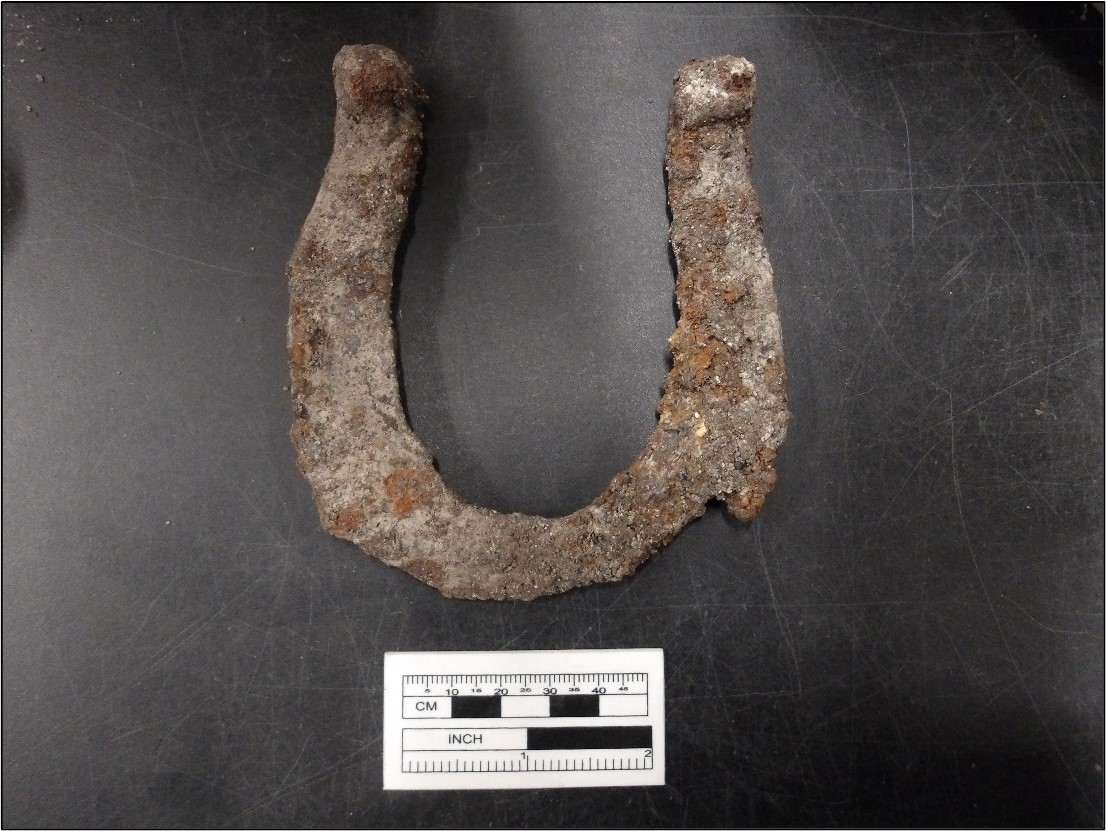
Mule horseshoe next to a ruler for size
Mule shoe from EU-75.