Alamo Archaeology Church Preservation - December 12

December 12, 2025

Archaeologists continued investigations for the Church Preservation Project in EUs 26, 121, 127, and 132.

Archaeologists completed excavations in EU-26. This unit had very few soil deposits, similar to the adjacent unit. The majority of the unit was occupied by a structural feature. This limestone feature is comprised of multiple alignments and extends across several units. The alignment has intact mortar and plaster. Twentieth century disturbances include a metal pipe and a water well in the northeast corner of the unit.
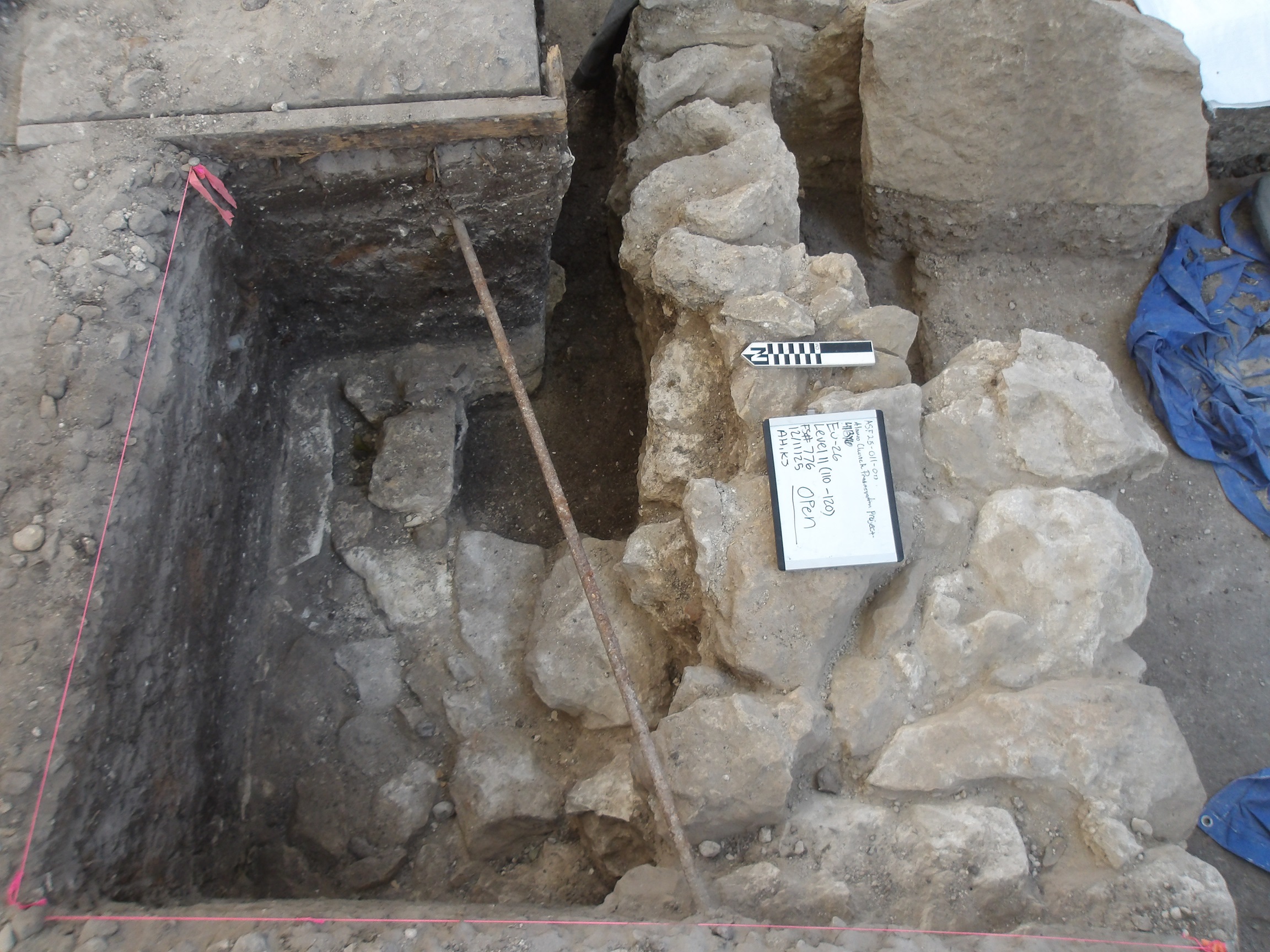
Limestone feature with varying alignments inside an excavation unit
EU-26 at approximately 100 cm below surface, photo facing east.
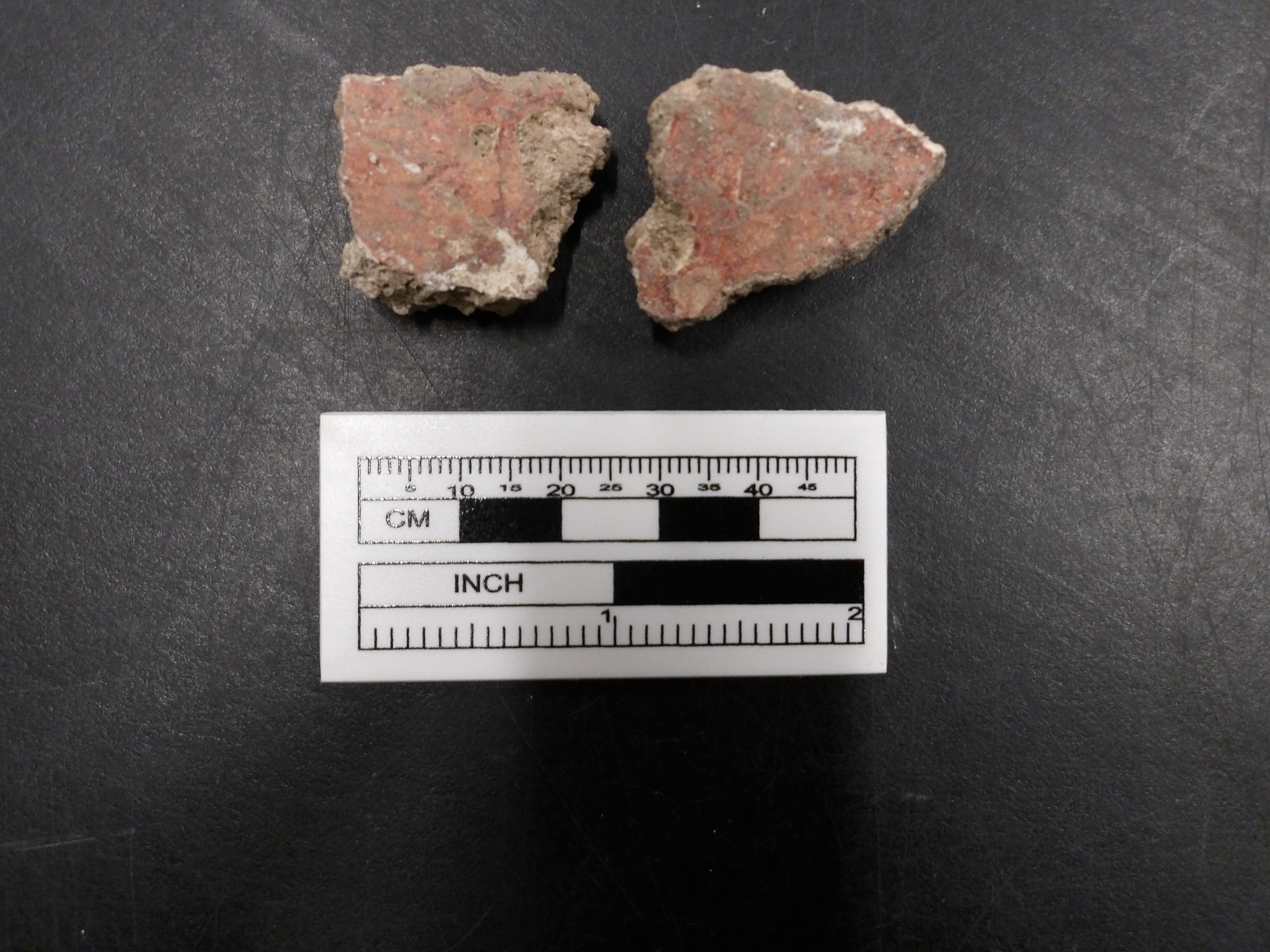
Two pieces of red painted plaster next to a ruler for size
Red painted plaster from the feature in EU-26.

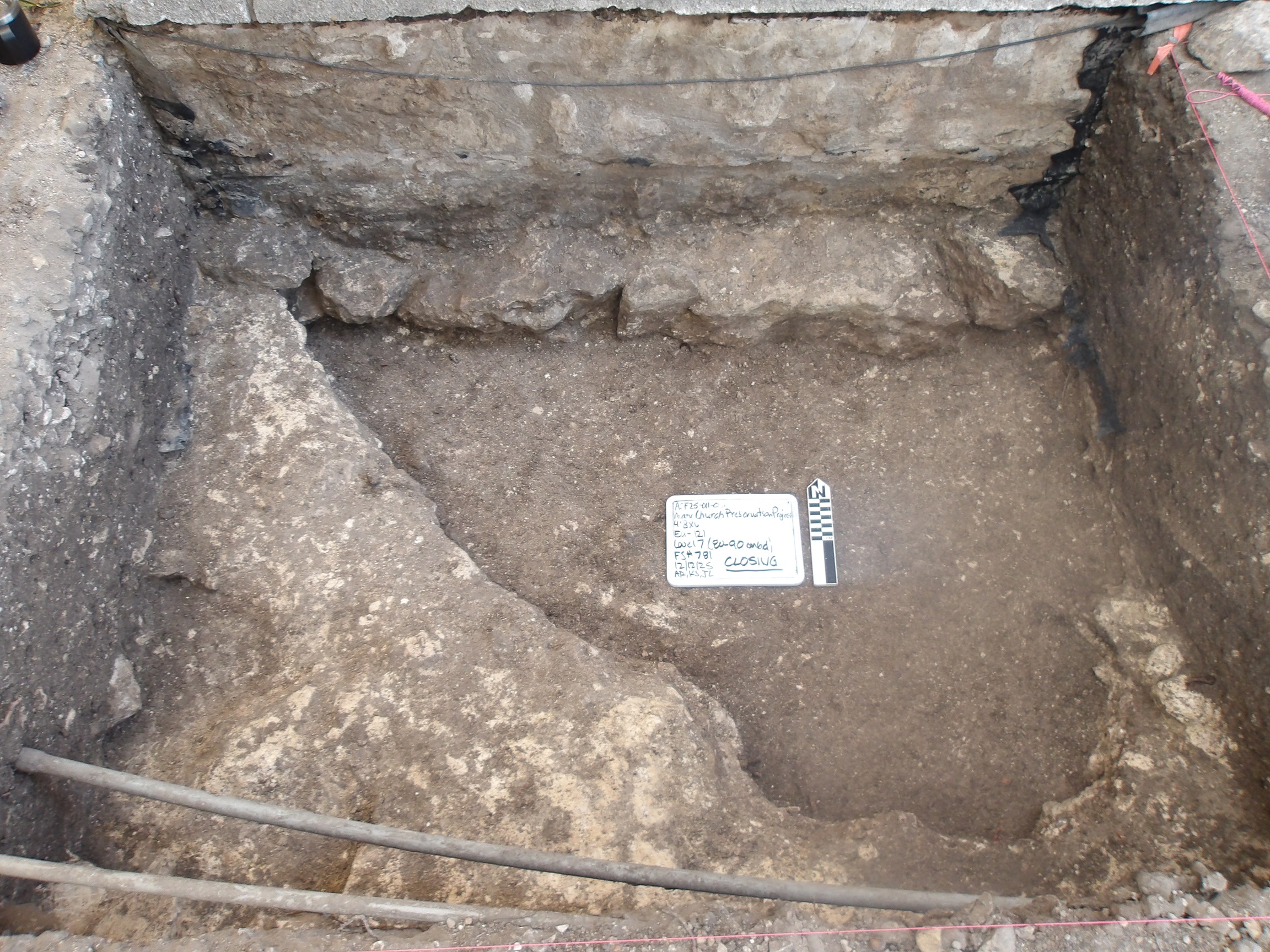
Archaeologists opened EU-121 on the south side of the Church. Excavations within this unit have exposed portions of the wall foundation, as well as a previous archaeological test unit. Since archaeologists were excavating through previously impacted soil, there were few artifacts. Archaeologists encountered a limestone deposit at approximately 60 cm below surface that extends across much of the unit. The nature of the deposit is currently unknown and requires additional investigation.

Triangular limestone deposit at the bottom of an excavation unit
EU-121 at approximately 70 cm below surface, photo facing north.
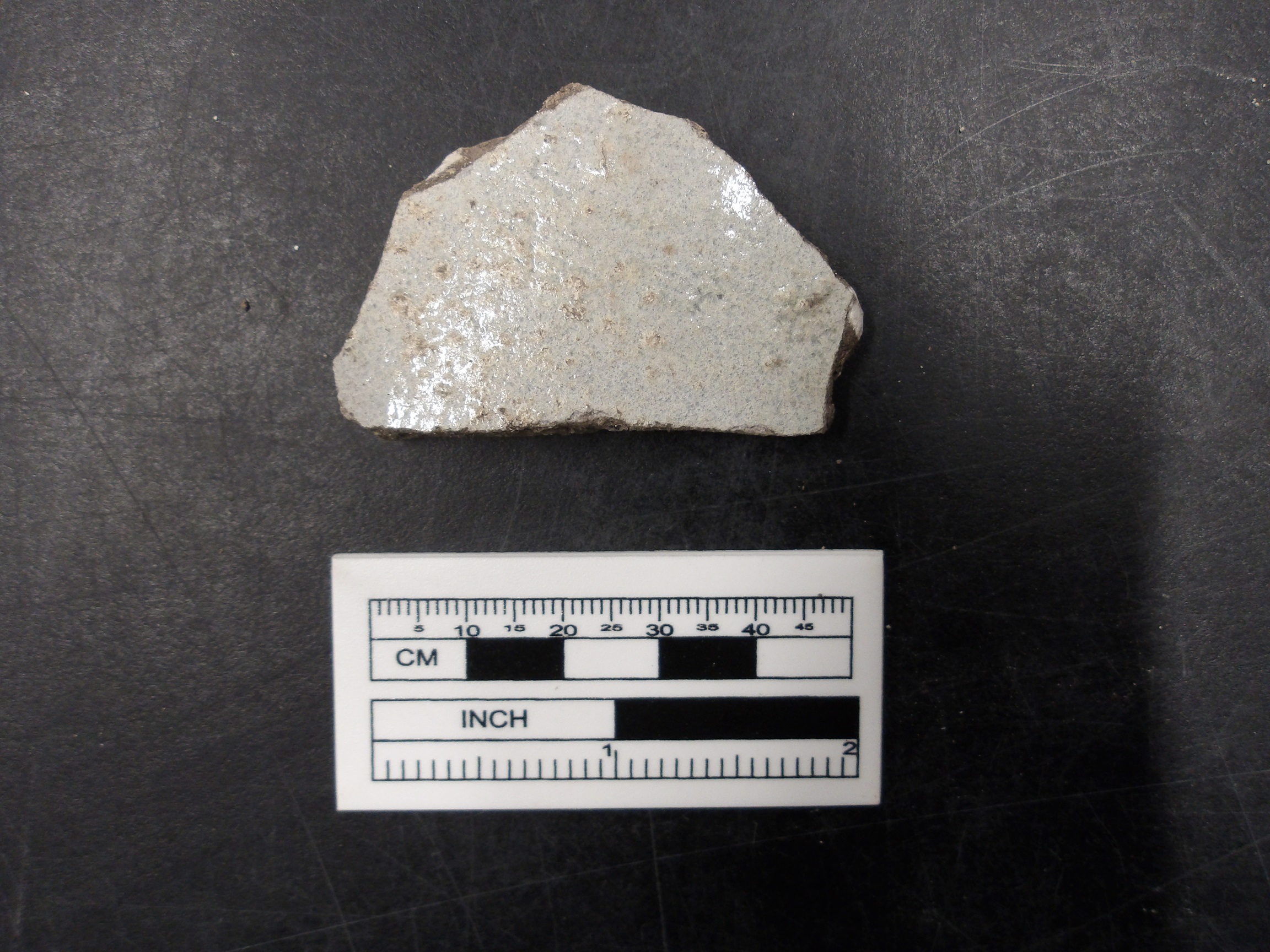
Salt glazed stoneware fragment next to a ruler for size
Salt glaze stoneware from EU-121.

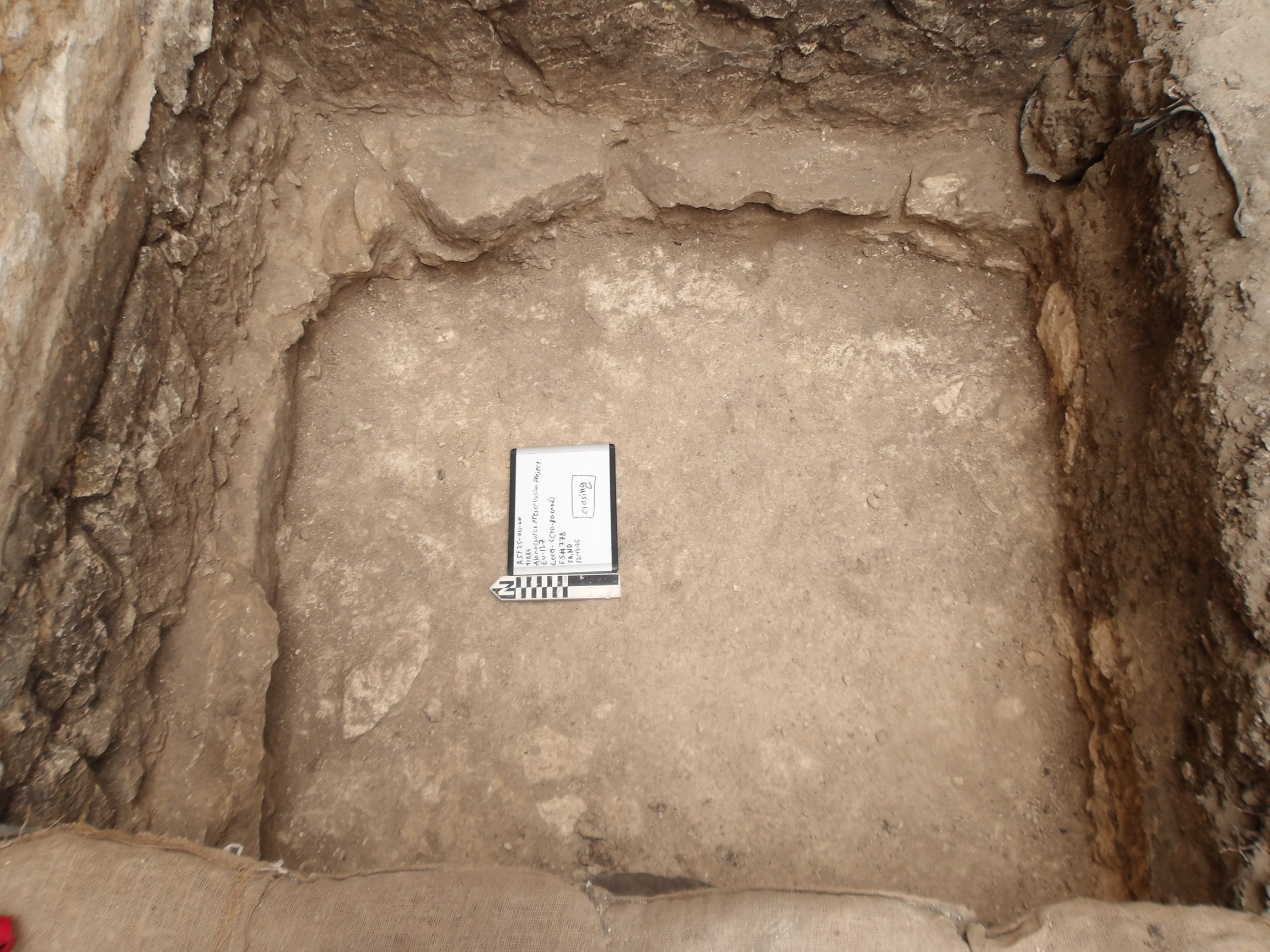
A second unit—EU-127—was opened on the south side at the junction of the nave and transept. Archaeologists reached an approximate depth of 60 cm below surface by the end of the week. Exposure of the Church foundations in underway. Archaeologists have recovered few diagnostic artifacts.

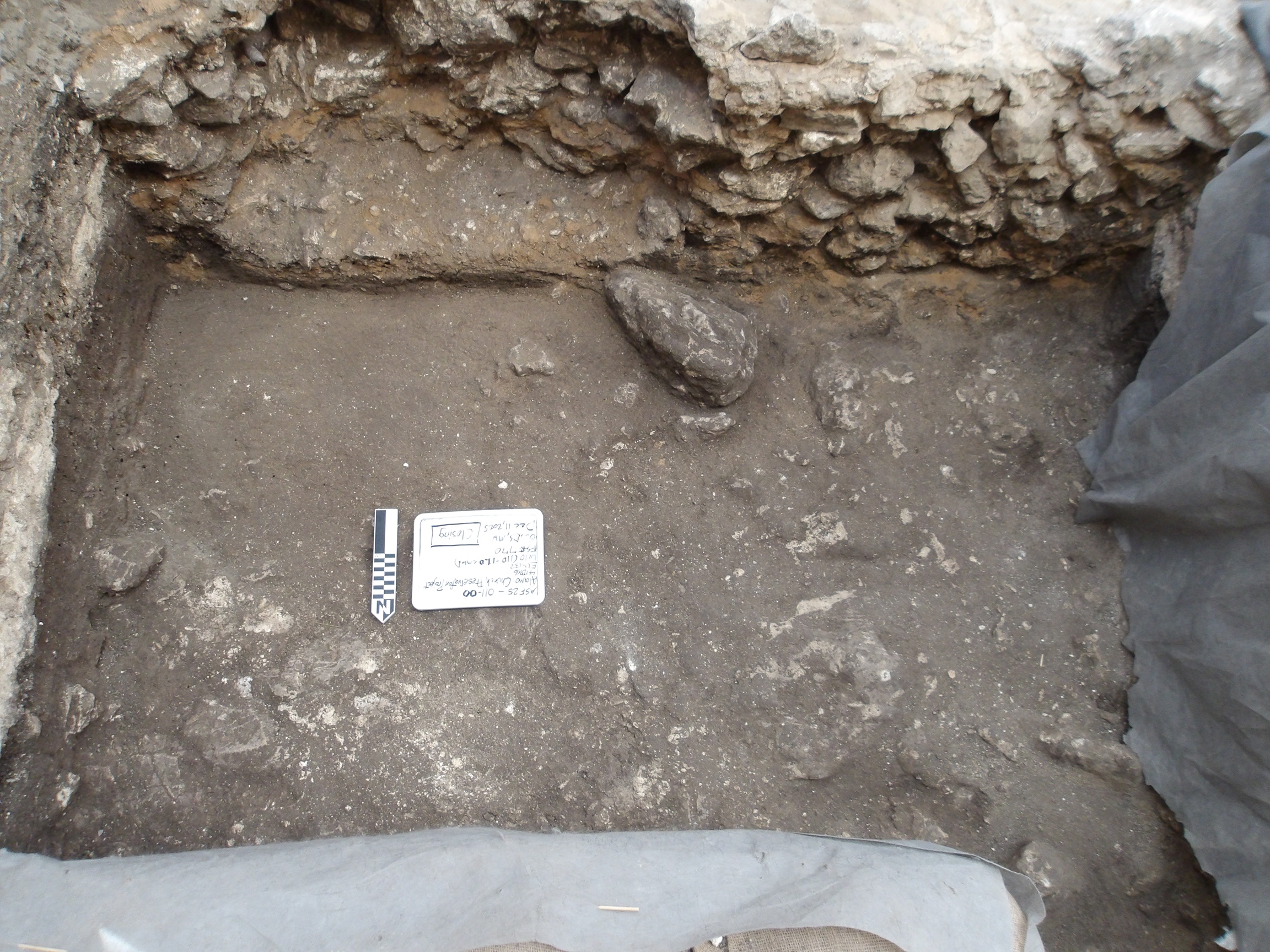
Archaeologists completed investigations within EU-132. The unit terminated at approximately 100 cm below surface. Archaeologists encountered the natural caliche hardpan at the base of the unit. Final unit documentation included photos, maps, soil descriptions, and digital scans.

Bottom of excavation unit with stone border along wall
EU-127 at approximately 60 cm below surface, photo facing east.
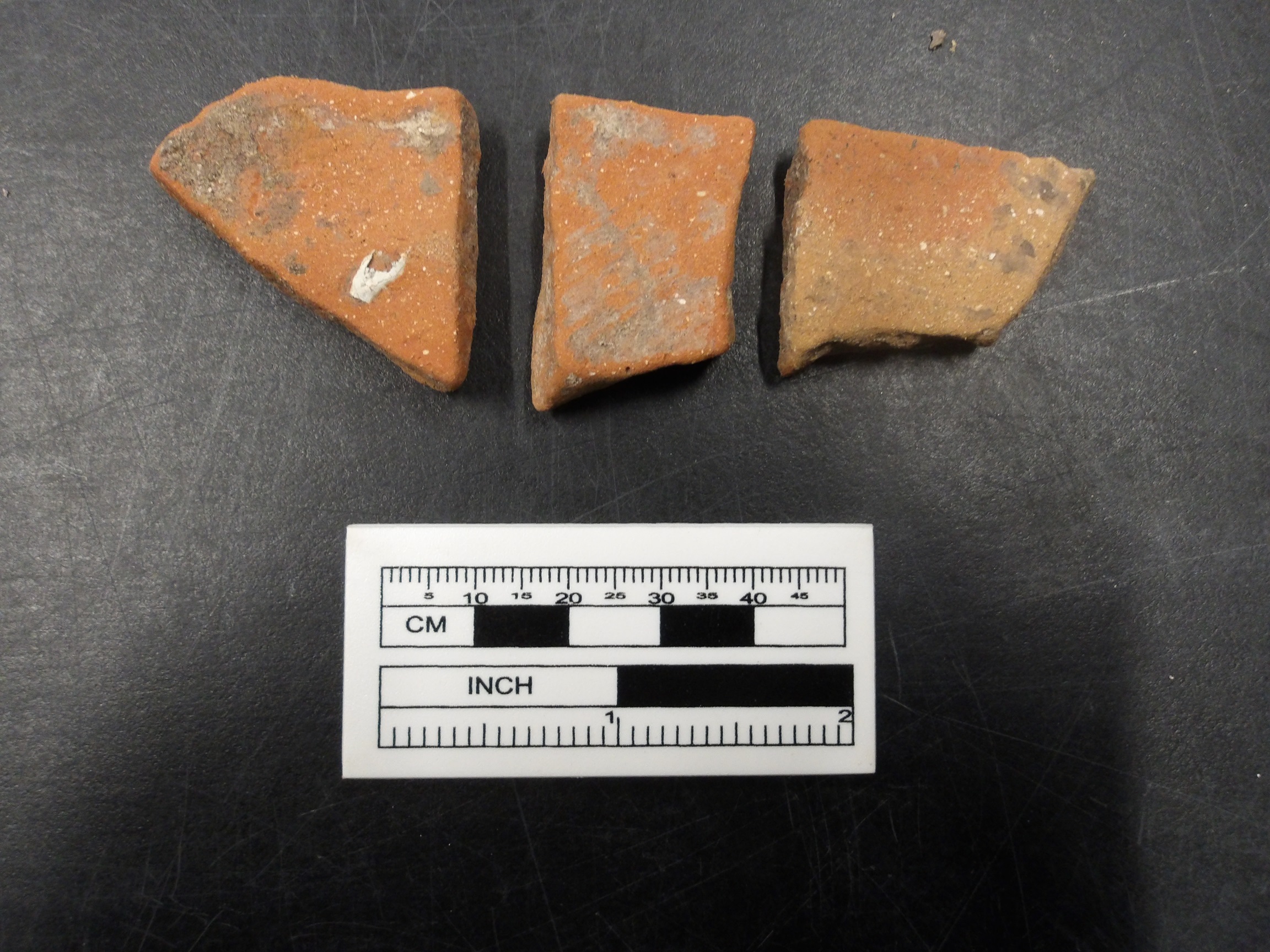
Three fragments of red ceramic sherds next to a ruler for size
Spanish Colonial unglazed ceramic sherds from EU-127.
Natural caliche hardpan at bottom of excavation unit
EU-137 at approximately 110 cm below surface.